Rural Health Telemedicine That Extends Clinical Reach
Rural health telemedicine can expand specialty access, strengthen follow-up, and support sustainable workflows for clinics, hospitals, and rural community partners.
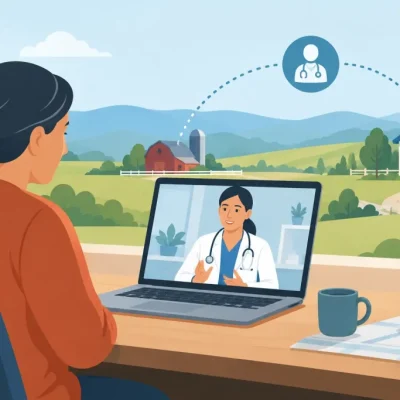
Rural health telemedicine can expand specialty access, strengthen follow-up, and support sustainable workflows for clinics, hospitals, and rural community partners.
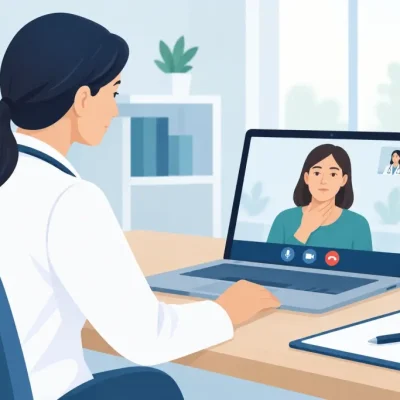
Learn how to conduct virtual physical exams with a safe, repeatable workflow for patient preparation, remote tools, documentation, and triage.
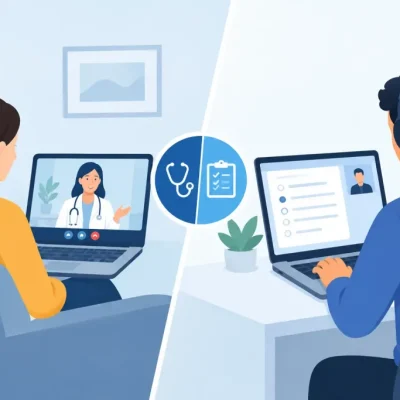
Telehealth platform vs remote exam: see how video visits and connected diagnostic tools differ, helping care teams choose a model that can scale safely.
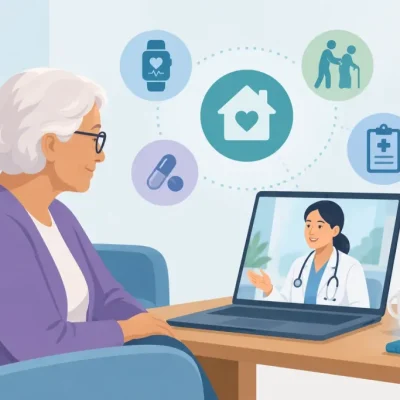
Long term care telehealth can extend clinical reach, improve follow-up, and support safer connected care across skilled nursing and home-based settings.
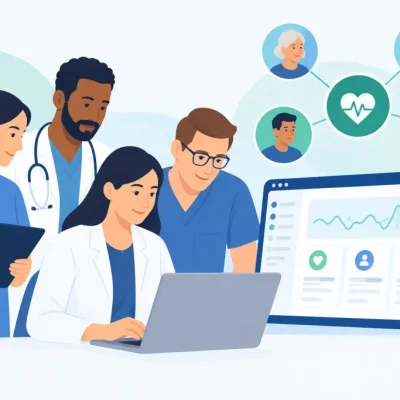
Compare the best RPM software platforms for clinical workflows, reimbursement, device logistics, and scalable chronic care monitoring across care settings.
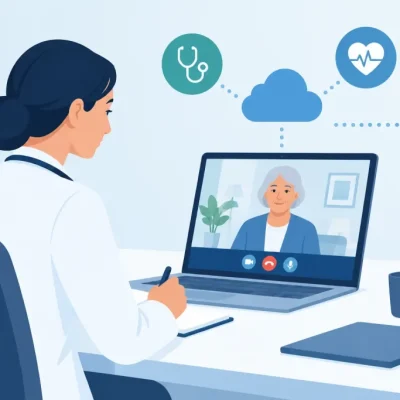
A CMS remote care guide for healthcare teams: align virtual visits, remote monitoring, documentation, and billing workflows with patient needs at scale.
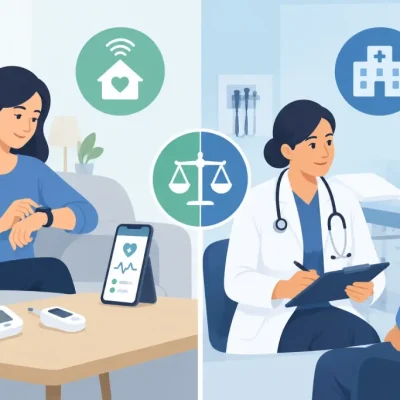
Home monitoring vs clinic followup is not a binary choice. Learn how health systems can match acuity, access, workflows, and payment to the right model.
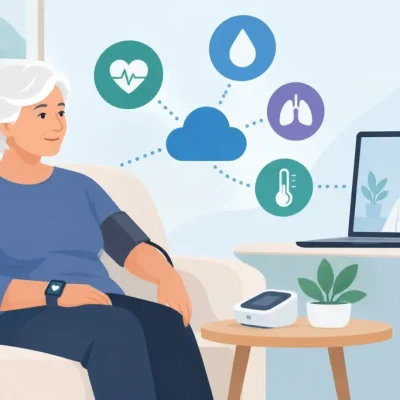
Learn what qualifies for remote monitoring: eligible conditions, connected devices, clinical workflows, documentation, and reimbursement requirements.
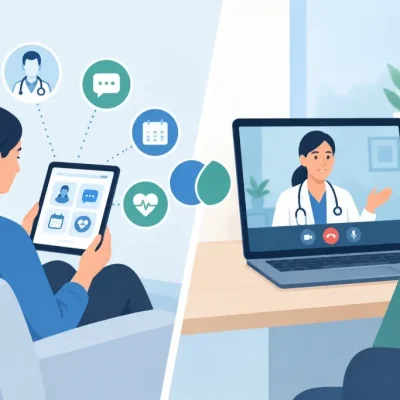
Virtual care vs video visits is more than a wording choice. Learn what changes for clinical workflows, access, data, reimbursement, and outcomes at scale.
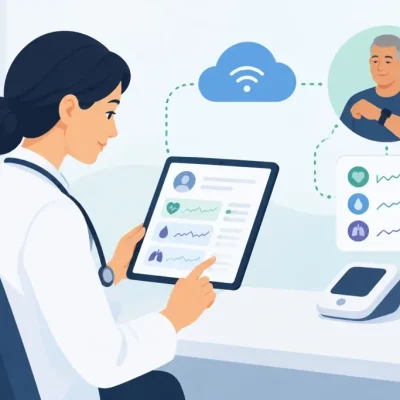
Learn how to launch an RPM program with clinical workflows, patient selection, device logistics, team, reimbursement planning, and outcome measurement.
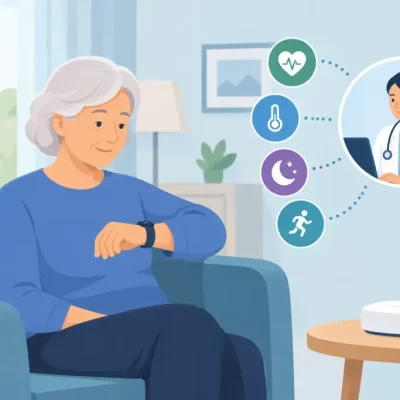
This home health monitoring case study shows how care teams can turn remote data into timely outreach, safer escalation, and workable clinical workflows.
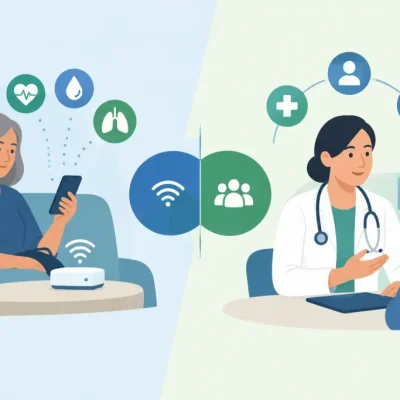
Compare RPM vs CCM programs for chronic care: billing, workflows, staffing, and patient fit for hospitals, clinics, and community health teams nationwide.
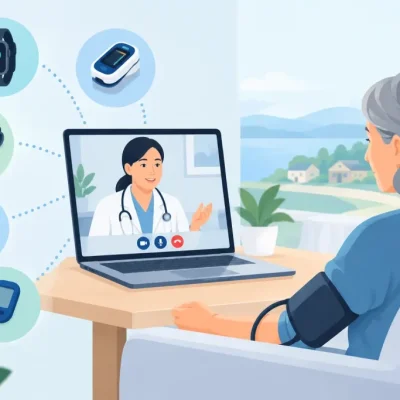
Telehealth devices extend remote exams, monitoring, and follow-up. Learn how care teams select, deploy, and govern connected tools at scale in practice.
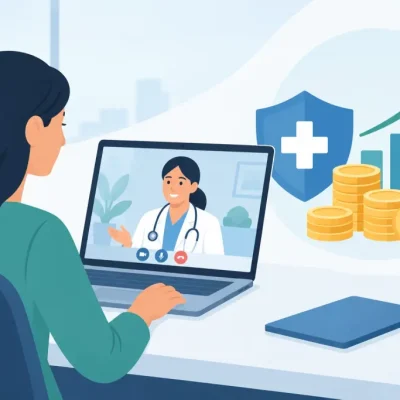
Remote care reimbursement trends are moving toward accountable, data-supported models. See what providers must document to sustain virtual care programs.
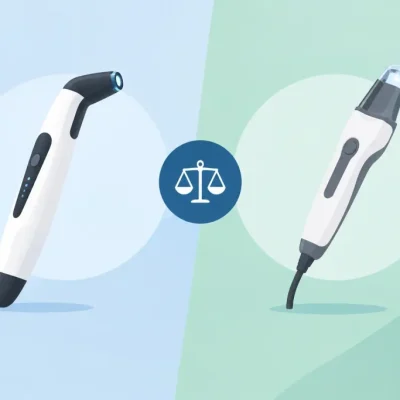
Compare Dr. Miltie N9+ vs. MedWand for remote exams, clinical workflows, patient access, monitoring needs, and scalable virtual care programs at scale.